
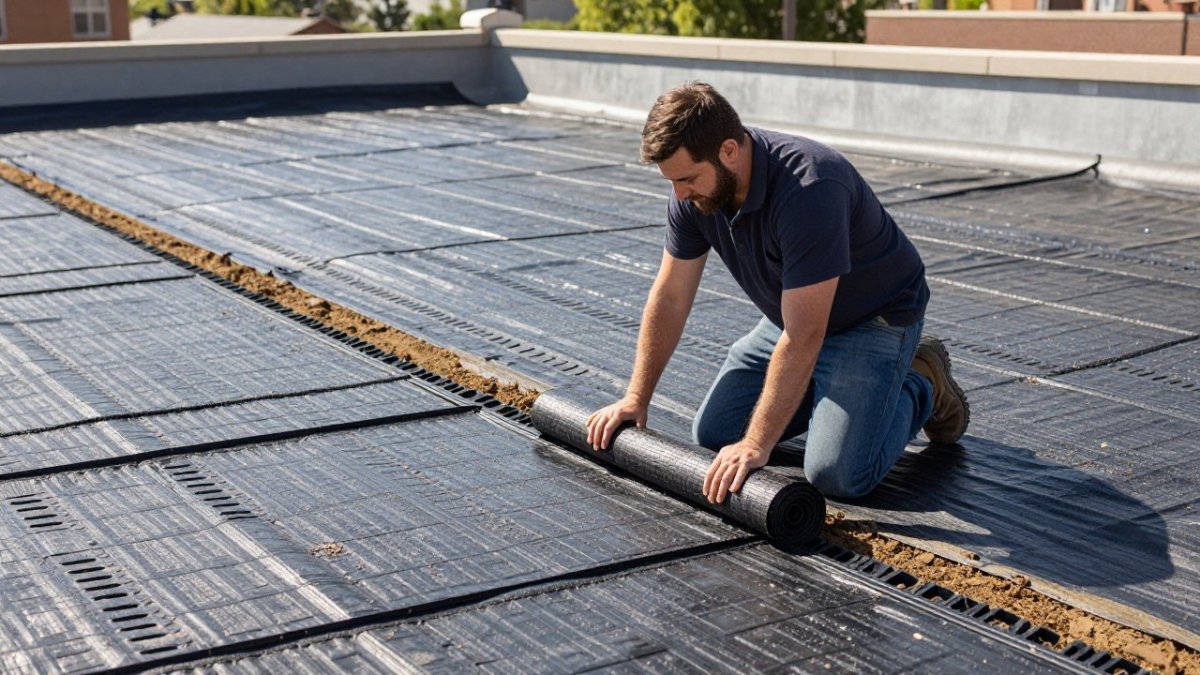
Quick Summary
Sustainable drainage for rooftop gardens holds rain where it falls and releases it slowly, so less stormwater rushes into city drains. Green roofs soak up runoff through plants and growing medium, and retention varies with rainfall, climate, vegetation, substrate, and drainage layer.
- Green roofs and rooftop gardens soak up stormwater through plants and growing medium.
- Drainage layer and substrate choice significantly shape green roof performance.
- Design to retain as much rain as possible within drainage and wet-weight limits.
- Excess water held in the drainage layer can add weight the roof structure may not carry.
- Inspect drain inlets and overflows after heavy rain, and clear debris before it blocks flow.
Table of Contents
- How Rooftop Garden Drainage Manages Stormwater
- Green Roof Design and Drainage Layers That Work
- Green Roof Maintenance and Drainage Checks for Your Next Step
- Frequently Asked Questions
How Rooftop Garden Drainage Manages Stormwater
Last Updated: November 15, 2026
Sustainable drainage for rooftop gardens works by holding rain where it falls and releasing it slowly. Green roofs and rooftop gardens soak up stormwater through their plants and growing medium, cutting the runoff that would otherwise rush into city drains. The EPA’s Soak Up the Rain guidance describes green roofs as a stormwater tool, backed by a literature review of 200 research studies EPA’s Soak Up the Rain green roofs guidance.
AirField Systems designs and manufactures geocell drainage products, including the AirDrain drainage system.
Retention depends on local conditions. A 2026 study finds runoff retention varies with rainfall, climate, vegetation, substrate, and drainage layer Worldwide assessment of green roof retention.
Green Roof Design and Drainage Layers That Work
Drainage layer and substrate choice shape how well a roof performs. A peer-reviewed review identifies both as significant influences on green-roof performance and sustainability Sustainable green roofs review of influential factors.
Minnesota’s stormwater manual advises designs that retain as much rain as possible while still meeting drainage and maximum-wet-weight limits Minnesota Pollution Control Agency green roof design criteria. Balancing retention with safe overflow also helps connect rooftop drainage to the wider landscape, where homeowners can install a rain garden to manage runoff at ground level.
Watch out: a drainage layer that holds too much water can add weight the roof structure was not built to carry.
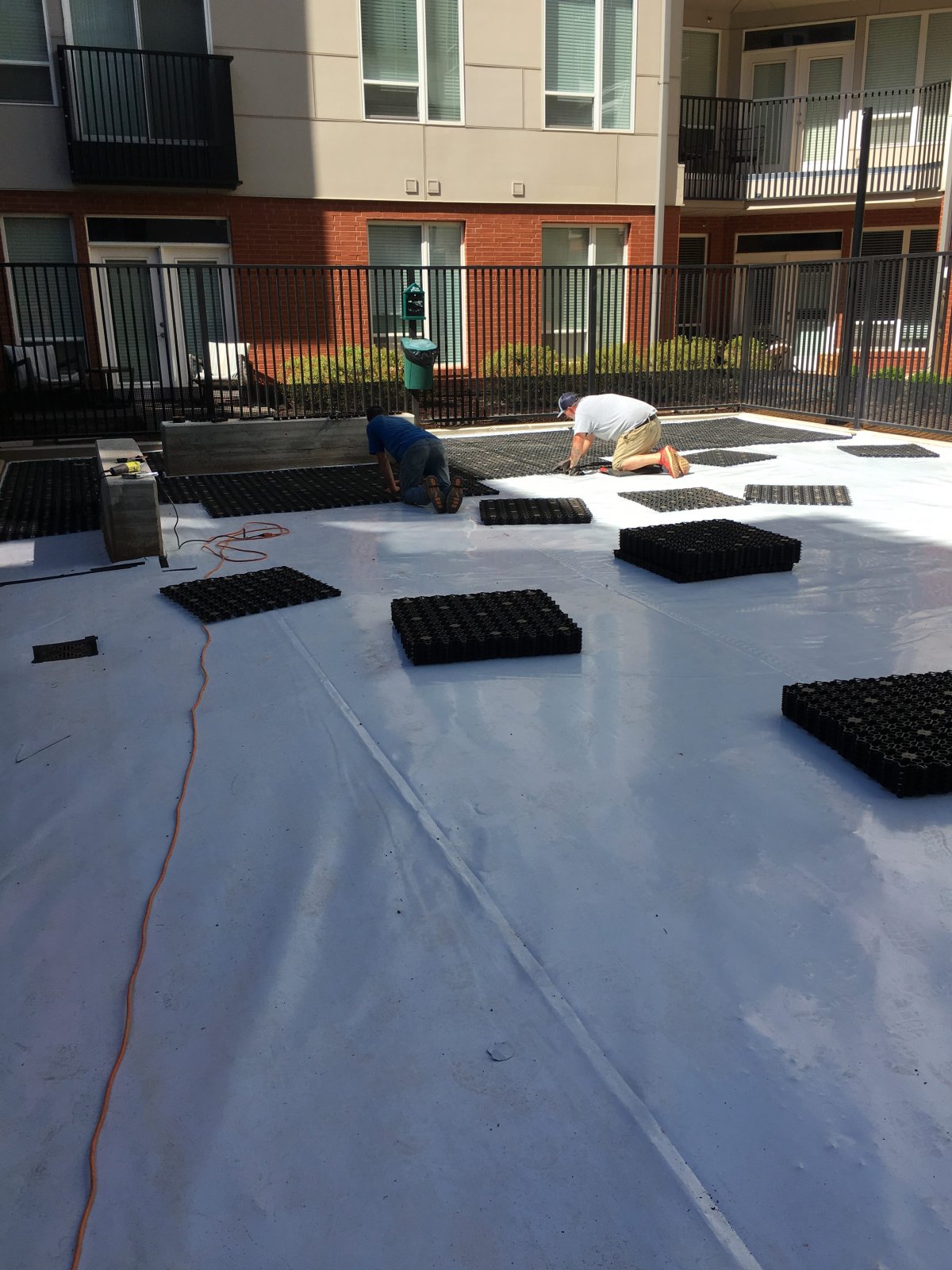
The article points to a few design factors that shape how well a green roof manages drainage and weight.
| Factor | What the article says | Note |
|---|---|---|
| Drainage layer | Shapes how well a roof performs | Named as a significant influence |
| Substrate | Shapes how well a roof performs | Named as a significant influence |
| Retention goal | Retain as much rain as possible | Within drainage and wet-weight limits |
| Excess water in drainage layer | Can add weight | Roof structure may not carry it |
Green Roof Maintenance and Drainage Checks for Your Next Step
Regular checks keep sustainable drainage for rooftop gardens working well. Inspect drain inlets and overflows after heavy rain, and clear debris before it blocks flow.
If you plan a rooftop pet relief area, plan the drainage first. See a rooftop pet relief area with installed drainage for a real example. Find a dog run drainage liner and washing system that handles both washing and vertical drainage.
For current pricing, depending on quantity, delivery and project dates, visit the AirField Systems website or request a quote. Read our guide to reducing shipping costs for drainage systems before you order.
Frequently Asked Questions
How does a green roof manage stormwater?
A green roof holds rain in its growing medium and vegetation, then releases part of it slowly through the drainage layer and roof drains. Research on green roofs finds that rainfall, climate, vegetation, substrate and drainage-layer characteristics all shape how much runoff is retained. Designers can improve retention by choosing a suitable substrate and drainage layer for the local climate, and by setting drain outlets so excess water leaves the roof without ponding.
What drainage layers does a rooftop garden need?
A typical rooftop garden needs a drainage layer beneath the growing medium that moves excess water to the roof drains while keeping the plant root zone moist. Drainage-layer material and substrate selection are recognized as significant influences on green-roof performance and sustainability. A root barrier and waterproofing membrane should sit below the drainage layer, and the total roof load must be checked before materials are added.
How often should rooftop garden drains and outlets be inspected?
Inspect rooftop garden drains and outlets at least twice a year and after major storms, checking for debris, clogged inlets and standing water. Clear leaves and sediment from drain covers so overflow paths stay open. Regular checks prevent waterlogging, which can damage plants and stress the roof membrane over time.
