
Quick Summary
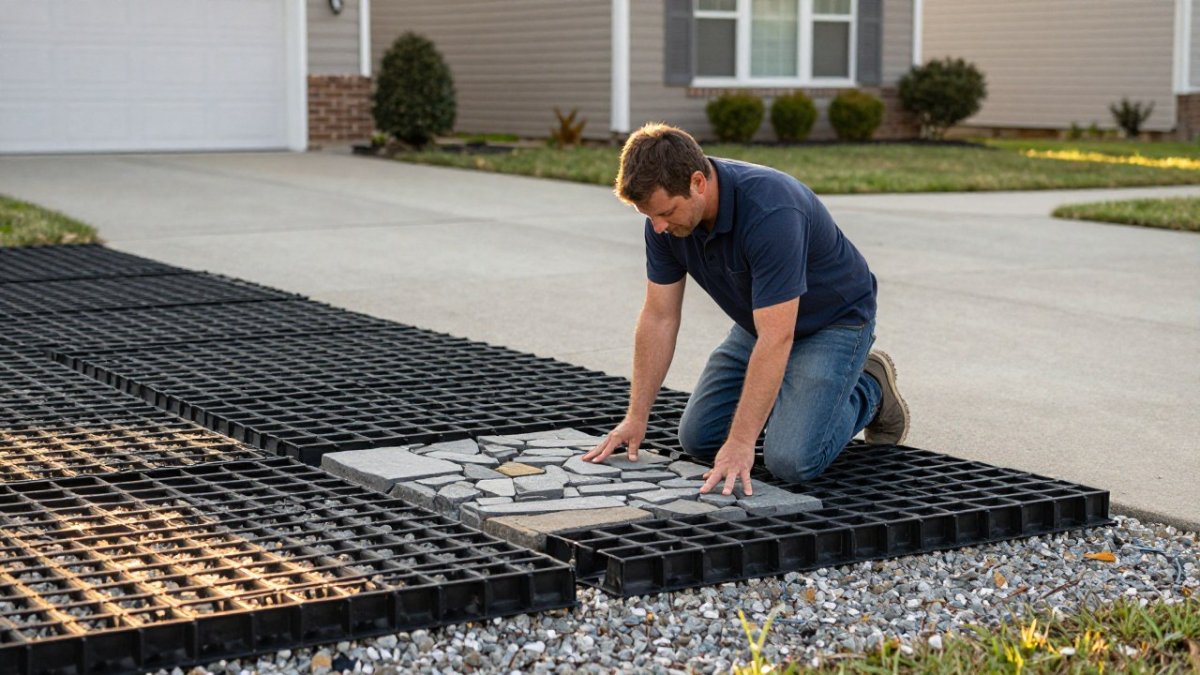
Recycled porous paving is a permeable surface built partly from recycled material that lets rain soak into the ground instead of running off. For homeowners, the choice depends on how the surface holds up over time, what it costs to install, and whether the site suits it.
- Recycled porous paving reduces runoff and lets water soak into the ground.
- It is commonly made from recycled tires, stone aggregate and a binding agent.
- Long-term durability remains a challenge for porous mixtures with waste materials.
- Some local rules restrict porous surfaces, so check before installing.
- Pricing depends on quantity, site conditions and delivery, so request a quote.
Table of Contents
- Recycled Porous Paving Pros and Cons for Homeowners
- Porous Pavement Materials Used in Residential Projects
- Planning Your Recycled Porous Paving for Residential Cost and Where to Buy
- Frequently Asked Questions
Permeable paving solves two problems at once: it lets rain soak into the ground instead of running off, and it can be built partly from recycled material. For homeowners weighing recycled porous paving for residential driveways, patios and walkways, the choice comes down to how the surface holds up, what it costs to install, and whether your site suits it. The University of Florida IFAS Extension describes permeable pavement systems as green stormwater infrastructure that reduces runoff while still carrying vehicle and foot traffic UF IFAS permeable pavement systems publication. AirField Systems builds its AirPave porous flexible paving from 100% recycled content, so the material choice is part of the decision from the start.
Recycled Porous Paving Pros and Cons for Homeowners
Recycled porous paving manages stormwater well, but it is not right for every yard. The main advantage is runoff reduction, and a U.S. Geological Survey project frames permeable pavement as a way to catch precipitation, store it, and release it slowly USGS study on permeable pavement and stormwater quantity. Durability is the main caveat: a 2026 critical review notes that long-term durability remains a challenge for porous mixtures that include waste materials 2026 critical review of porous asphalt mixtures with waste materials. Pros include reduced runoff, groundwater recharge and recycled inputs; cons include variable durability and local rules that restrict some porous surfaces.
The main trade-offs for homeowners are summarised below.
| Aspect | Advantage | Caveat |
|---|---|---|
| Stormwater | Reduces runoff and catches precipitation | Not right for every yard |
| Groundwater | Lets water soak into the ground | Depends on site conditions |
| Durability | Recycled inputs are part of the product | Long-term durability is still a challenge |
| Local rules | Supports green stormwater goals | Some local rules restrict porous surfaces |
Porous Pavement Materials Used in Residential Projects
Recycled porous paving is typically built from recycled tires, stone aggregate and a binding agent, and some products use post-consumer glass. Porous Pave describes its surfacing as made from recycled tires and stone aggregate with a proprietary binder Porous Pave product materials. For a sense of how a load-bearing porous system performs, see our porous flexible paving with AirPave specifications.
Planning Your Recycled Porous Paving for Residential Cost and Where to Buy
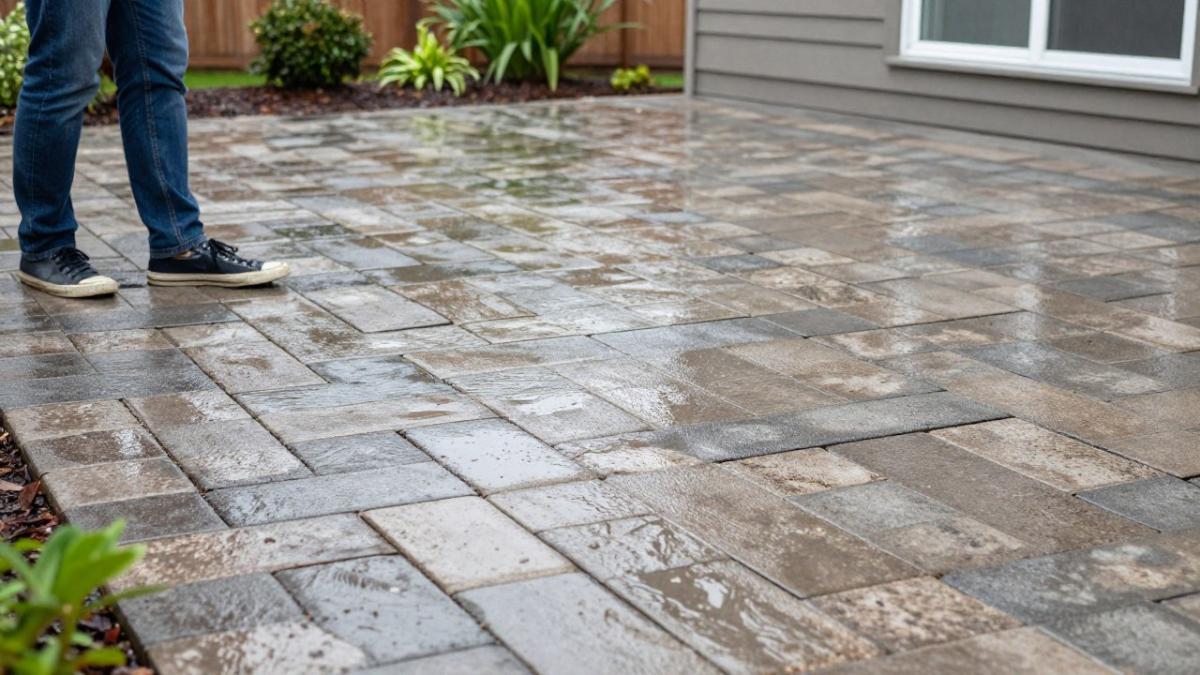
Pricing depends on quantity, site conditions and delivery, so we do not publish a per-square-foot figure. Review our completed porous paving projects or our company background, or request a quote.
Frequently Asked Questions
What are the downsides of permeable paving?
Permeable paving needs periodic maintenance, since debris and sediment can clog the surface and reduce infiltration over time. Performance depends on a properly prepared base and sub-base, and installation quality matters more than with conventional paving. Recycled materials may also have durability questions that vary by product, so ask suppliers for independent test data. Freeze-thaw conditions and local stormwater rules can affect suitability, so check requirements with your local authority before you commit to a design.
Is recycled porous paving suitable for a residential driveway?
It can be, depending on load requirements, soil conditions and the specific product. Residential driveways carry vehicle loads that need a sound base and proper installation to perform well. Review the load rating and installation guidance for the product you are considering, and confirm with a qualified installer or engineer how it will handle your vehicles and site drainage.
Where can you buy recycled porous paving for residential use?
Recycled porous paving is typically sold through manufacturers, specialty landscape suppliers and some paving distributors. Availability and pricing depend on quantity, delivery location and timing. For current product information and a quote, visit the AirField Systems website and request pricing directly, since specific prices vary by project.
