
Quick Summary
Synthetic turf GMAX is reduced by diagnosing the cause of a high reading and then fixing it. Test several spots to get a baseline, redistribute and loosen compacted infill, keep up regular grooming, and consider a shock pad if readings stay high. Retest after each change to confirm improvement.
- Readings between 90 and 115 are generally treated as ideal, while values above 200 are a clear warning sign.
- Test several spots on the field to get a baseline, not just one reading.
- Heavy use, compaction and infill segregation are the usual causes of high readings.
- Redistribute infill that has collected in low spots and loosen compacted areas.
- A shock pad under the turf can lower GMAX, so retest after every change.
Table of Contents
- What GMAX Measures and Why High Readings Matter
- Step-by-Step: Diagnosing High GMAX on Your Field
- Fixing the Cause: Infill Maintenance, Grooming and Shock Pads
- Frequently Asked Questions
What GMAX Measures and Why High Readings Matter
Last Updated: November 7, 2026
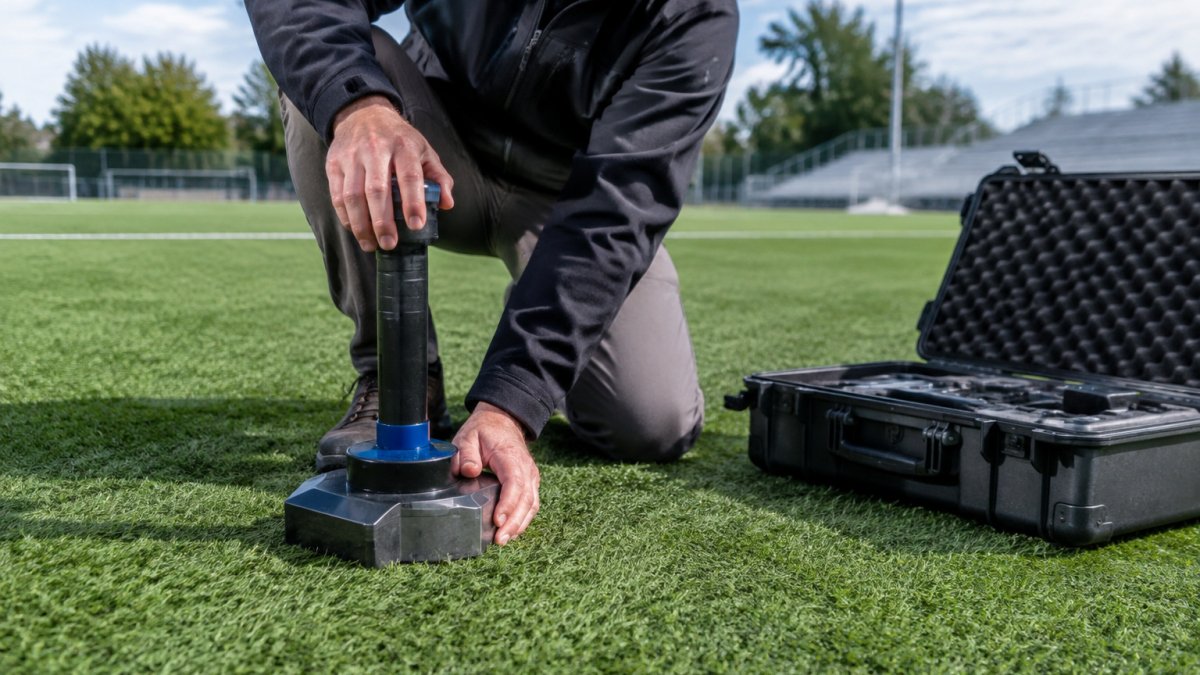
The synthetic turf GMAX rating is the standard measure of how much a surface absorbs an impact. A lower reading means a softer surface that cushions a player’s head better. The District of Columbia Department of General Services runs annual DC GMAX testing reports across all eight wards to find fields that need attention. Practitioners generally treat readings between 90 and 115 as ideal, and values above 200 as a clear warning sign.
Since synthetic turf GMAX affects player safety, high readings deserve quick action. AirField Systems builds geocell drainage products used on sports fields.
Ideal GMAX range versus warning threshold
Step-by-Step: Diagnosing High GMAX on Your Field
Start by testing the field to get a baseline. Measure several spots, not just one. Compare the results to the target range.
Next, look for the usual causes:
- Heavy use: Frequent play packs the surface down.
- Compaction: Infill gets dense and hard over time.
- Infill segregation: Infill shifts and collects in low spots.
The DC Department of General Services 2026 GMAX results describes these same factors as the main drivers of rising readings.
Fixing the Cause: Infill Maintenance, Grooming and Shock Pads
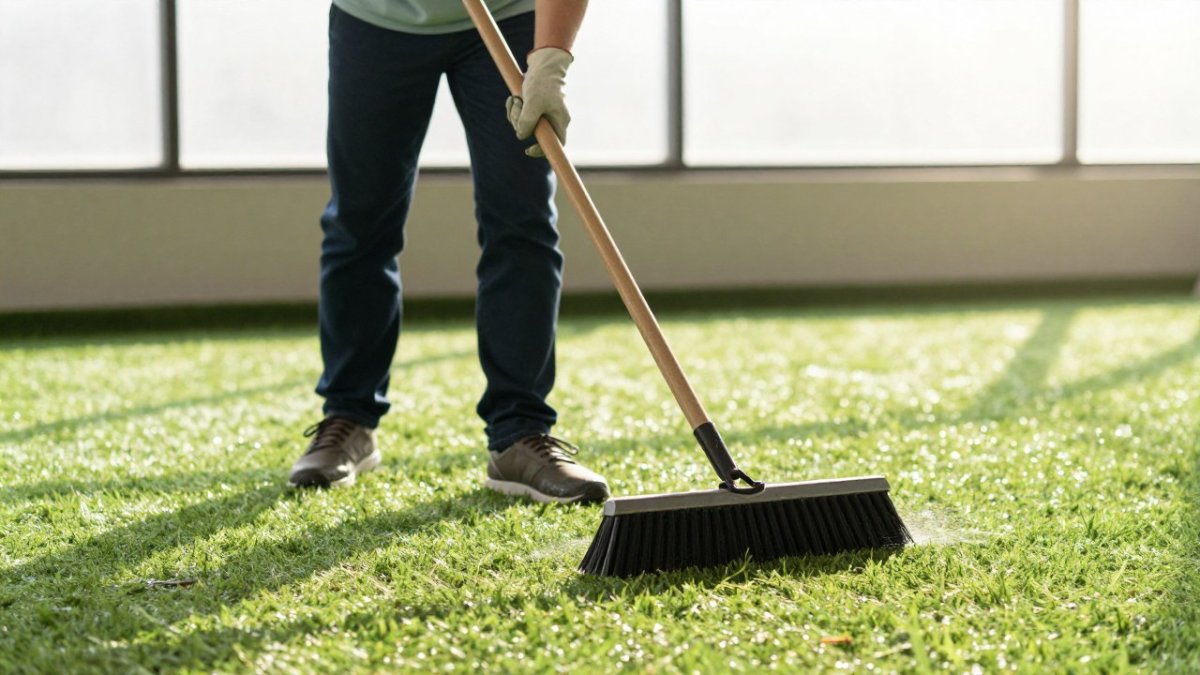
Maintenance can help bring high readings down. Grooming and top-dressing are common steps. Redistribute infill where it has collected. Loosen compacted areas before adding more material.
A shock pad under the turf is another option. Our AirDrain system can lower GMAX on sports fields, with independent testing on shock-pad impact performance backing the broader guidance on hardness limits. Retest after each change to confirm the improvement.
The article points to a few practical fixes for high GMAX readings, summarised below.
| Option | Best for | Key difference |
|---|---|---|
| Redistribute infill | Infill collected in low spots | Moves material back to where it belongs |
| Loosen compacted areas | Dense, hardened infill | Restores softness before adding material |
| Grooming and top-dressing | Routine upkeep | Keeps the surface even |
| Shock pad under the turf | Persistently high readings | Lowers GMAX at the base |
| Retest after each change | Confirming results | Shows whether the fix worked |
Frequently Asked Questions
How often should synthetic turf be GMAX tested?
Testing frequency depends on how heavily the field is used, but many field operators conduct periodic GMAX testing to assess where maintenance is needed. Fields with heavy use, such as those hosting daily practices or multiple games per week, benefit from more frequent checks. Retest after major maintenance such as decompaction or infill replenishment to confirm the change worked. Keeping a dated log of readings makes it easier to spot a rising trend before the field reaches elevated values.
Can adding or redistributing infill improve GMAX?
Yes, when the readings are high because infill has compacted or segregated. Grooming and top-dressing are commonly used ways to reduce GMAX, and sweeping, dragging, loosening, and redistributing infill are common maintenance practices. Add infill only where testing shows it is thin, since excess infill can change surface performance. Retest after each change to see whether the reading moved in the right direction.
What should you do if a synthetic turf field fails a GMAX test?
Start by identifying likely causes: high use, compaction, or infill segregation. Groom and redistribute infill first, since these are the lowest-cost steps, then retest the same test locations. If readings stay elevated, review whether a shock pad is present or appropriate, and consult a qualified field professional about decompaction or other remediation. Keep records of each step and result so you can show the field’s condition over time.
